
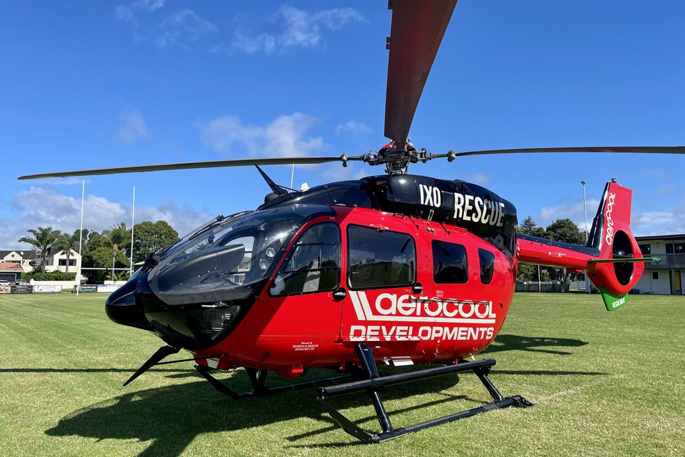
The Aerocool Rescue Helicopter completed 270 life-saving missions across the Bay of Plenty in the first half of the year.
The Tauranga-based chopper responded to emergencies ranging from critical medical events and pregnancy complications to serious farm accidents and remote rescues.
New figures released by the Philips Search & Rescue Trust show the helicopter carried out an average of one mission every 16 hours between January and June.
Inter-hospital transfers made up the largest share of callouts, with 144 missions recorded over the six months.
Crews also responded to 50 rural and farm incidents, 37 miscellaneous emergencies, 27 medical events and 12 motor vehicle crashes.
Among the missions was the rescue of a woman who suffered a near-fatal medical incident while swimming in the Coromandel.
The helicopter crew provided critical care at the scene before flying her to Waikato Hospital for specialist treatment.
In March, the rescue helicopter was dispatched to assist a woman experiencing a serious pregnancy complication who required urgent specialist care. The flight reduced a journey that would have taken more than three hours by road to less than an hour.
Another significant mission in May involved a tramper seriously injured in a remote location.
A critical care flight paramedic was winched down to reach the patient before they were flown to Tauranga Hospital for treatment.
The summer months are traditionally among the busiest for the Aerocool Rescue Helicopter, as more people take part in outdoor activities and travel throughout the region. Increased activity often brings a higher risk of accidents and medical emergencies.
Operating around the clock every day of the year, the service provides emergency response and critical care transport across the Bay of Plenty and surrounding regions.
Philips Search & Rescue Trust head of fundraising and marketing Sharni Weir said the latest figures highlighted the importance of the service.
“Looking at the number and variety of missions carried out over the past six months, it’s a powerful reminder that emergencies can truly happen to anyone,” she said.
She said the statistics reinforced how vital the rescue helicopter was for communities across the region.
“Not only for patients but also their families, loved ones and community.”
The helicopter remains on standby 24 hours a day, seven days a week, ready to respond whenever and wherever emergencies occur.