
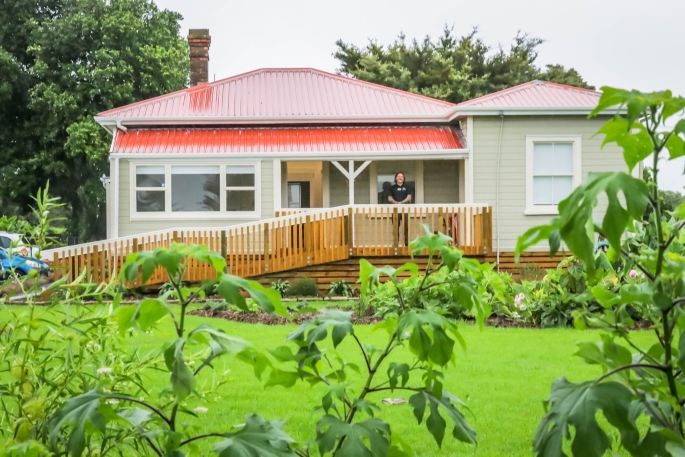
An ageing kauri cottage in Bethlehem has been brought back to life, transforming from a deteriorating relic into a vibrant community space dedicated to caring for kaumātua.
The modest building on Carmichael Rd, believed to be close to a century old, once housed principals and teachers from the former Bethlehem Native School, now Bethlehem School. Over time it served as a kōhanga reo, recreation space and later offices for community health services, before falling into disrepair.
By the early 2020s, it had become unsafe. Floors had shifted, piles were failing, and vegetation was creeping inside.
“It got to the point where we had to make a decision,” Ngāti Kahu Hauora ki Tauranga Trust general manager Reweti Te Mete said. “If we wanted to save the building, we had to act.”
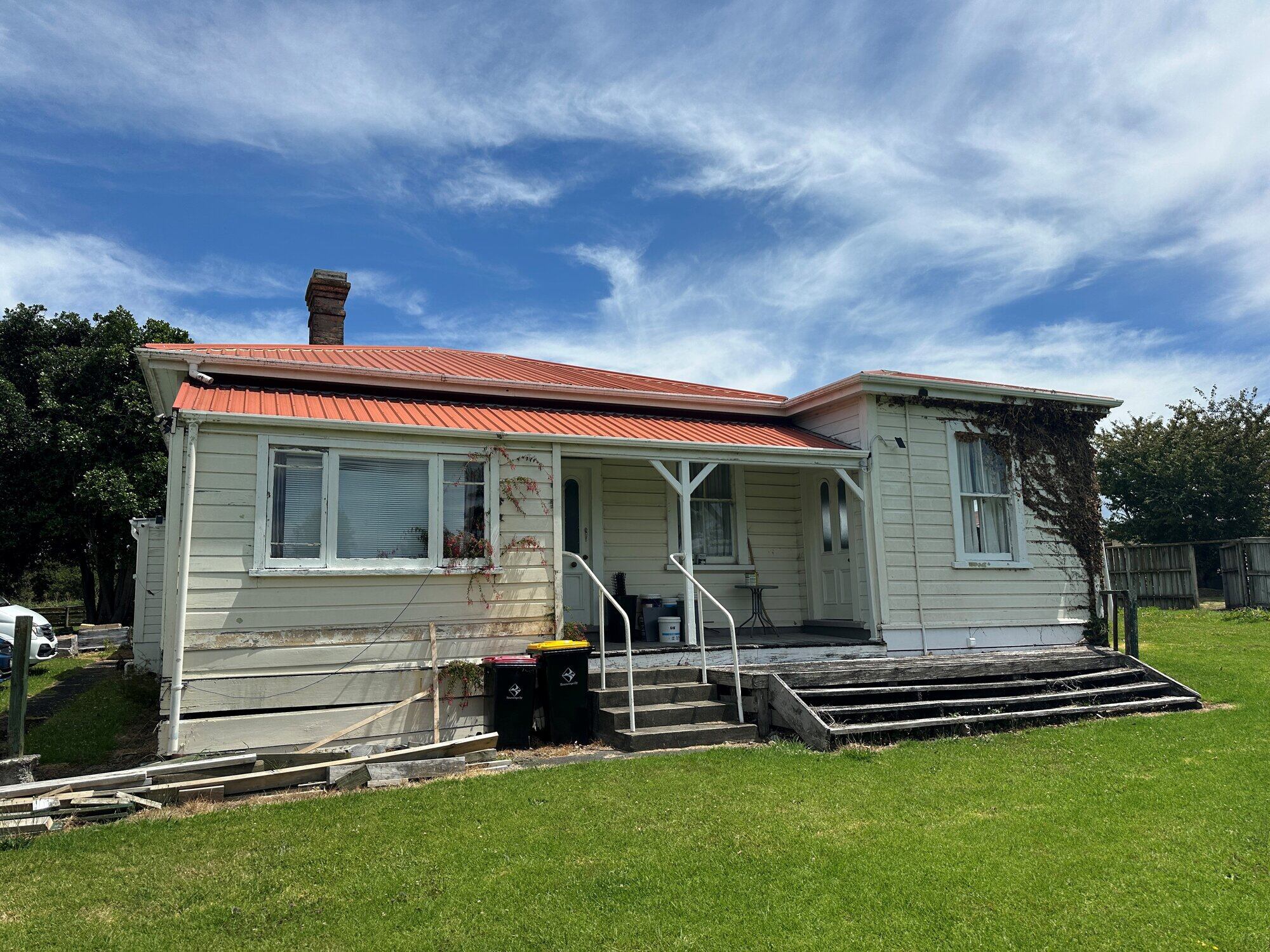
A ‘before’ photo of the building that has been renovated with funding support from Tect. Photo / Supplied
Rather than demolish it, the trust chose restoration - preserving its history while meeting a growing community need.
With nearly $100,000 in funding from Tect, matched by the trust, a nine-month renovation began in January 2025. Builders retained as much of the original character as possible, preserving native timber features, ceilings, door frames and some original doors, while replacing unsafe elements.
“We tried to keep the bones of the building,” Te Mete said.
The work included rebuilding sections of flooring, installing new piles and reconfiguring interior spaces. A former kitchen wall was removed to create an open-plan area, improving accessibility. Outside, new decking and gently sloping accessways were added to support safe entry for kaumātua and wheelchair users.
The result is Waiāio - meaning “calm waters” - a community day respite service that opened in November 2025.
Operating from 8.30am to 4.30pm, it provides a welcoming space for up to 10 kaumātua each day, offering social connection, cultural activities, health monitoring and a sense of belonging.
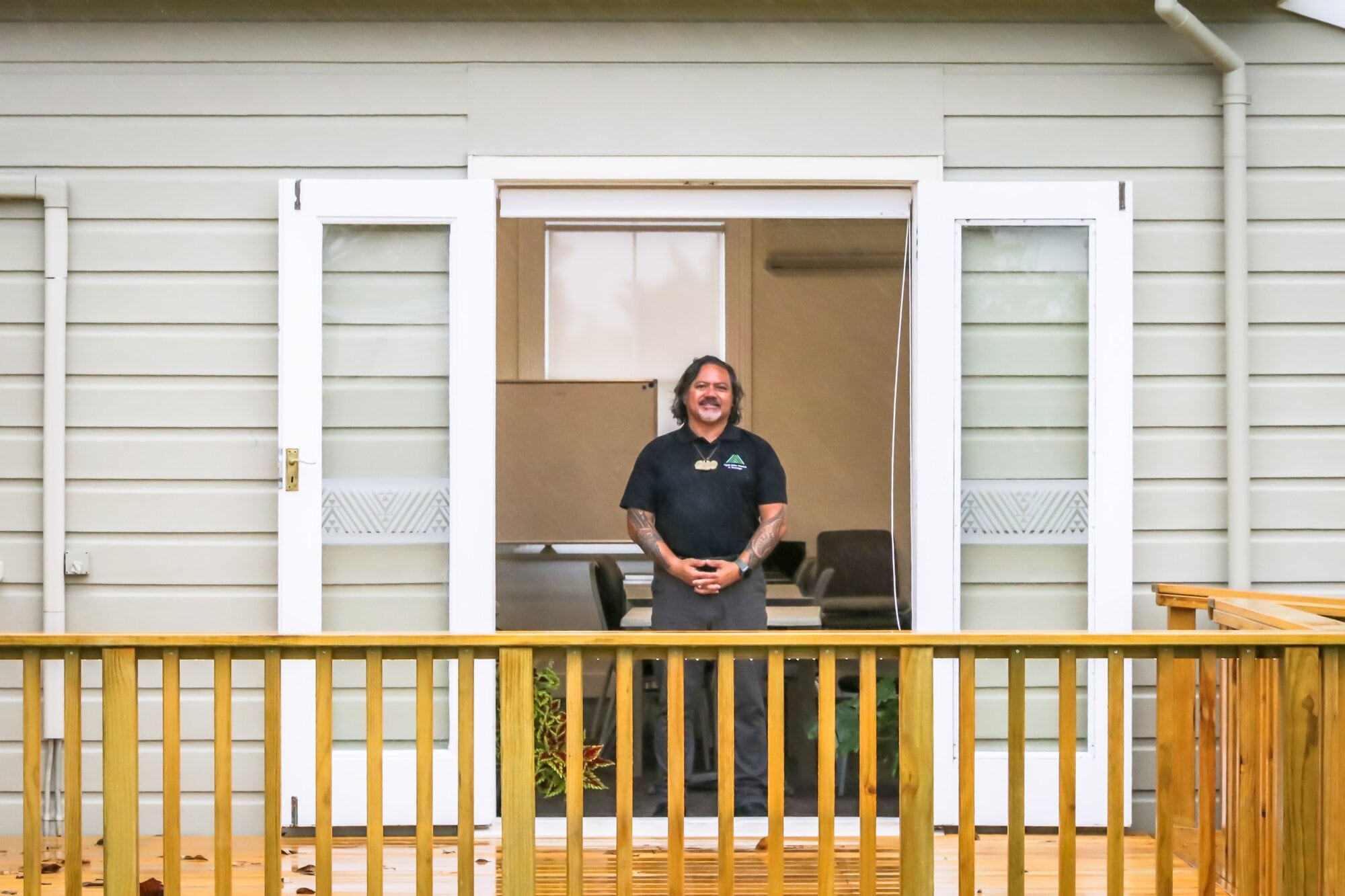
Ngāti Kahu Hauora ki Tauranga Trust general manager Reweti Te Mete in the doorway of the restored building. Photo / Kelly O’Hara
The idea emerged from conversations with whānau and local GPs, who had noticed increasing pressure on families caring for elderly relatives.
“Many of our whānau are balancing work and family commitments while also caring for their loved ones,” Te Mete said. “In some cases, kaumātua were being left home alone.”
Ngāti Kahu Hauora had previously offered overnight respite, but feedback showed a daytime model better suited local needs, allowing kaumātua to remain living at home while receiving support during the day.
“It gives whānau breathing space and reassurance,” he said.
Tect trustee Greg Brownless said the project reflects the organisation’s focus on practical community outcomes.
“Supporting the restoration of this historic cottage means kaumātua and whānau have a great space to spend the day and that’s a real benefit for the community,” Brownless said, adding it offers companionship for older people and peace of mind for families.
“Backing initiatives that make day-to-day life better for our communities is a key focus for TECT, and that includes older people experiencing disadvantage,” he said. “Waiāio is already offering support, companionship and engagement for kaumātua, and this gives peace of mind for their whānau.”
The service is free and open to anyone who needs it, reflecting the trust’s commitment to accessible, community-focused healthcare. Its wider medical service supports around 2100 patients, with a strong Māori population.
Since opening, Waiāio has become more than a care facility. For many kaumātua, it is also a place of memory.
“A lot of people who come here remember this building,” Te Mete said. “They remember their teachers, their school days - the good times and the not-so-good times.”
That emotional connection was a key reason for restoring the cottage.
“This building holds history for our community - Māori and non-Māori alike,” he said. “It’s part of the story of education in this area. By revitalising it, we’re honouring that while making sure it continues to serve our people.”
The surrounding whenua has also been developed, with community gardens and a food forest planted in December 2025 featuring more than 60 varieties of fruit trees, including feijoa, citrus, banana and tamarillo.
Harvests are shared through a pātaka kai, helping support local families.
“It’s about supporting each other,” Te Mete said. “Food is expensive, so this is one way we can help.”
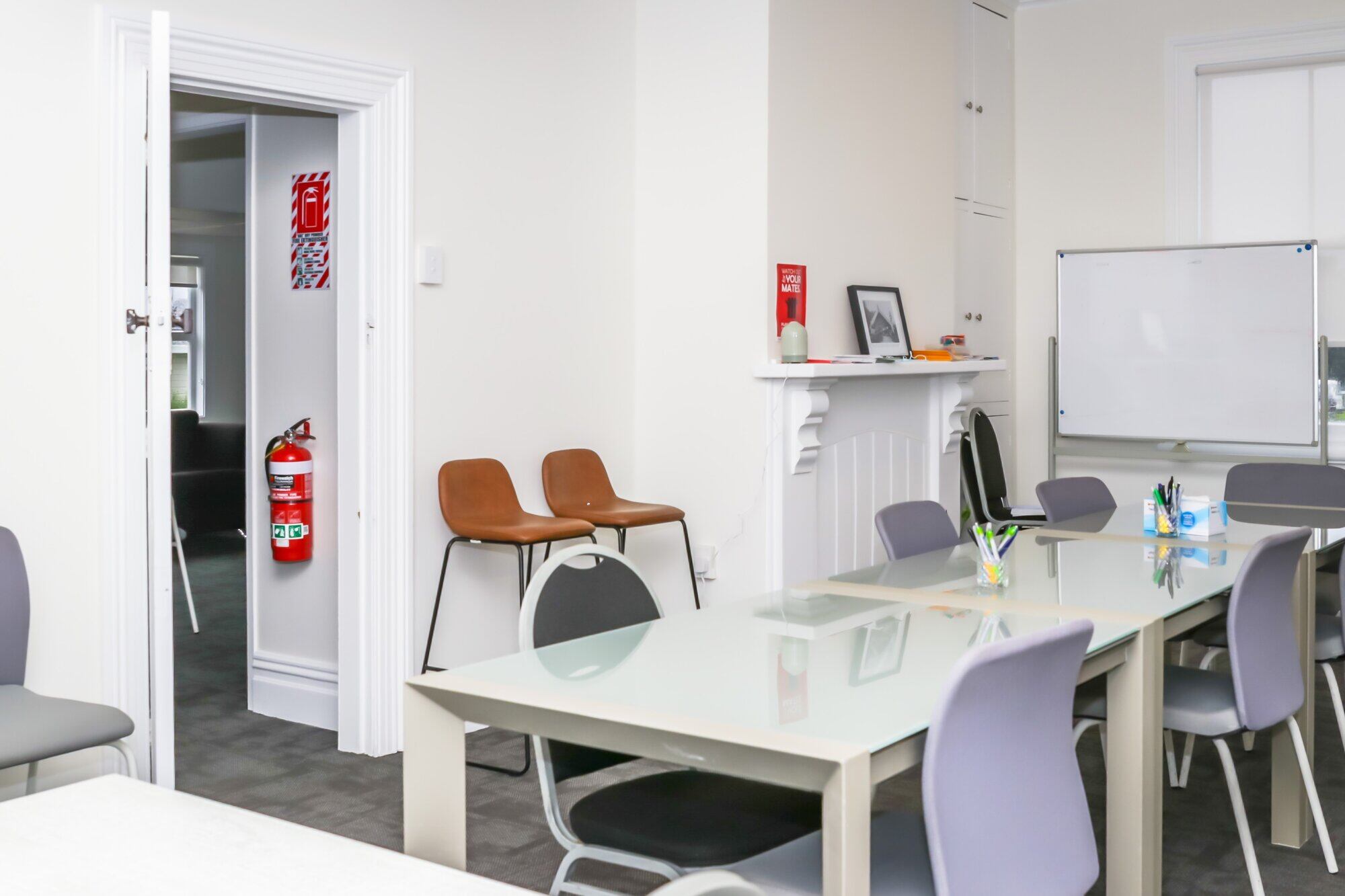
One of the rooms inside the refurbished building. Photo / Kelly O’Hara
Inside, the space is intentionally calm with neutral tones for now, with plans to introduce artwork created by whānau and kaumātua to reflect the building’s history and community identity.
“We want it to feel like their space,” he said.
Community response has been overwhelmingly positive, with strong interest from people wanting to work or volunteer.
“That shows how much this kaupapa matters,” Te Mete said. “Kaumātua are deeply valued in our community.”
For the trust, the project represents both preservation and progress.
“At its heart, Waiāio is about manaakitanga,” he said. “It’s about creating a space where our kaumātua feel respected, cared for and connected - and where whānau know their loved ones are in good hands.”