
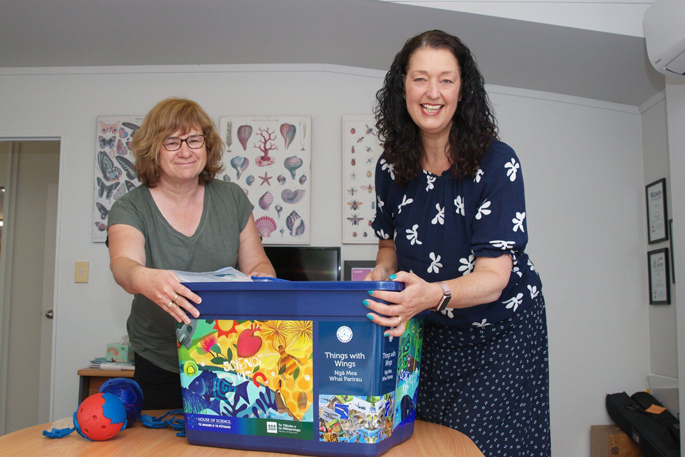
As the nationwide rollout of House of Science resource kits gathers pace, many are curious and asking a simple question: what exactly is inside the boxes heading into classrooms?
The answer, according to House of Science kit designer and medical microbiology scientist Jane Hoggard, is a carefully crafted collection of experiments, resources and activities designed to turn curiosity into hands-on learning.
The kits are a library of bilingual resources for science lessons.
Founded in Tauranga by chief executive Chris Duggan, the organisation was selected by the Government in February as the supplier for the nationwide rollout of curriculum-aligned science kits to every state and state-integrated school for Years 0-8.
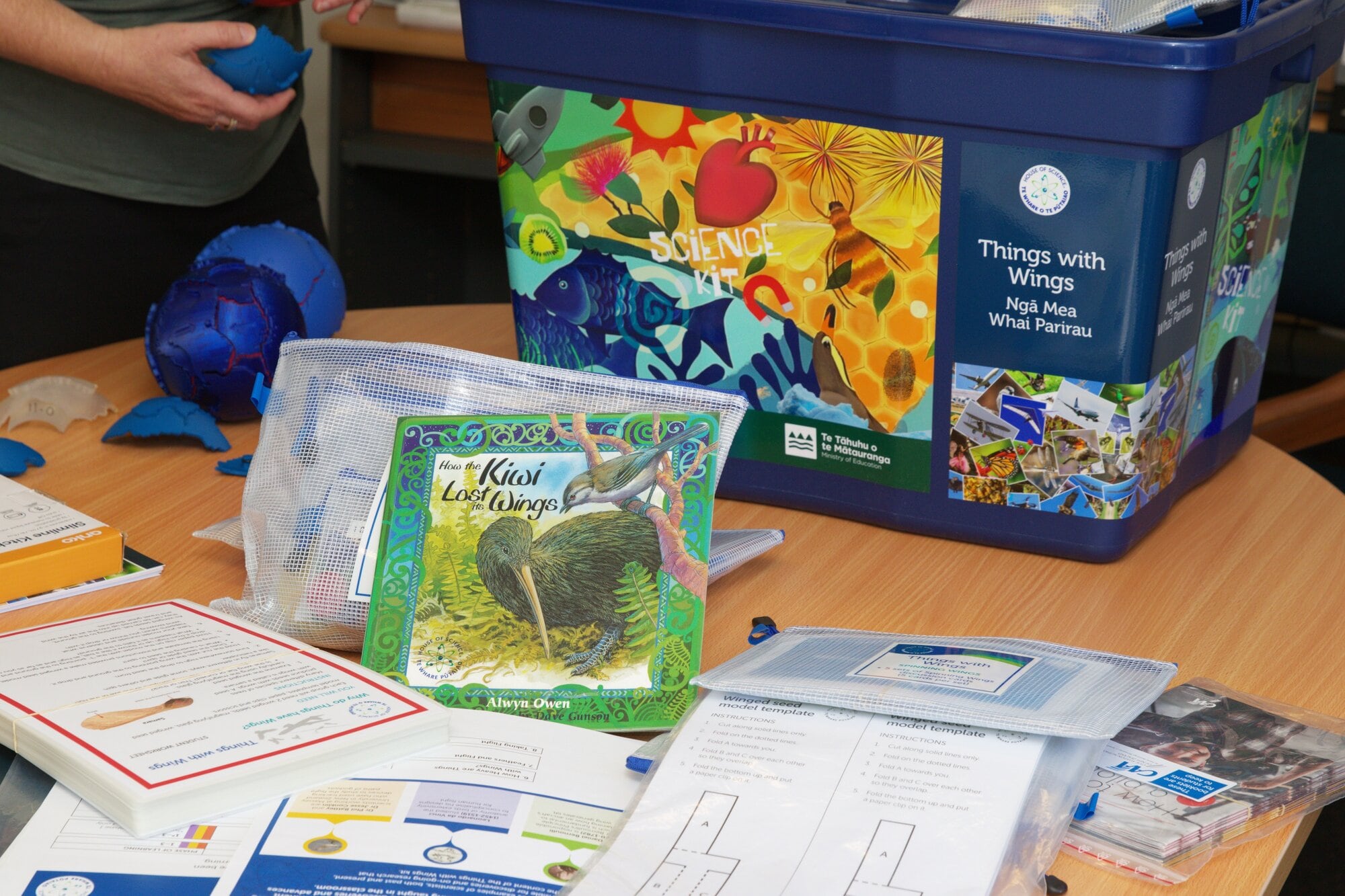
Some of the contents of one of the House of Science resource kits ‘Things with Wings’. Photo / Kelly O’Hara
Hoggard’s job is to design them – developing the experiments, trialling them in schools and preparing them for large-scale production before they are distributed to regional centres around the country.
Each kit arrives at a school packed with everything needed for a series of science lessons.
“There’s a teacher manual and usually eight to 10 experiments in every kit,” Hoggard said.
“All the equipment and consumables are included, so teachers don’t have to go out and source anything themselves. The idea is that everything they need to deliver the activities is right there in the box.”
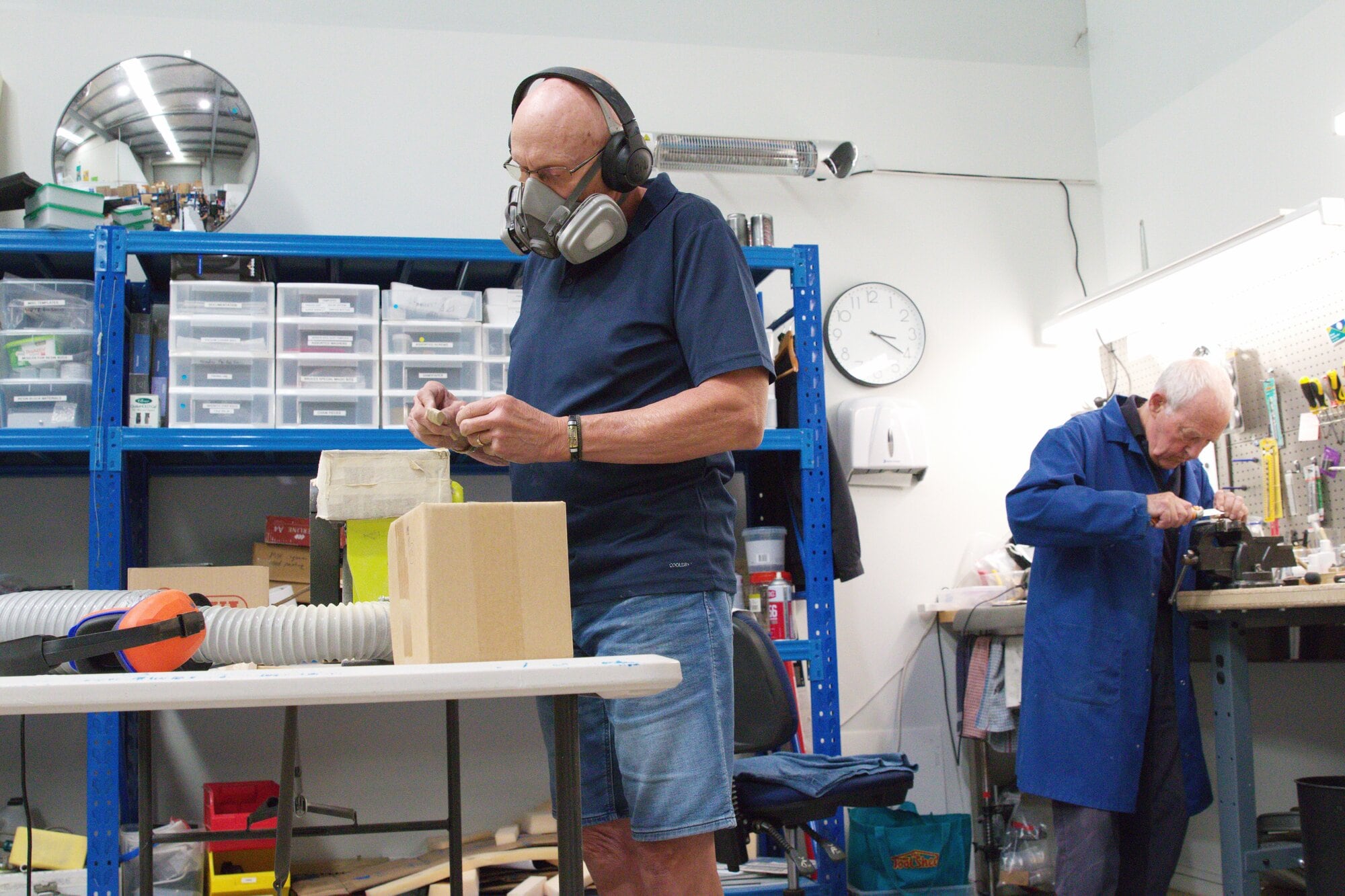
Tony Weigel wearing a mask, and Bruce Henderson in the House of Science workshop building components for the science kits. Photo / Kelly O’Hara
The kits remain at a school for about three weeks, allowing multiple classes to use them before they are returned, checked, restocked and sent out again.
Spark interest
Teachers can choose from a growing library of topics – currently more than 40 different kits – covering areas such as earthquakes, microbes, buoyancy, heat, forensics, space science and the ocean.
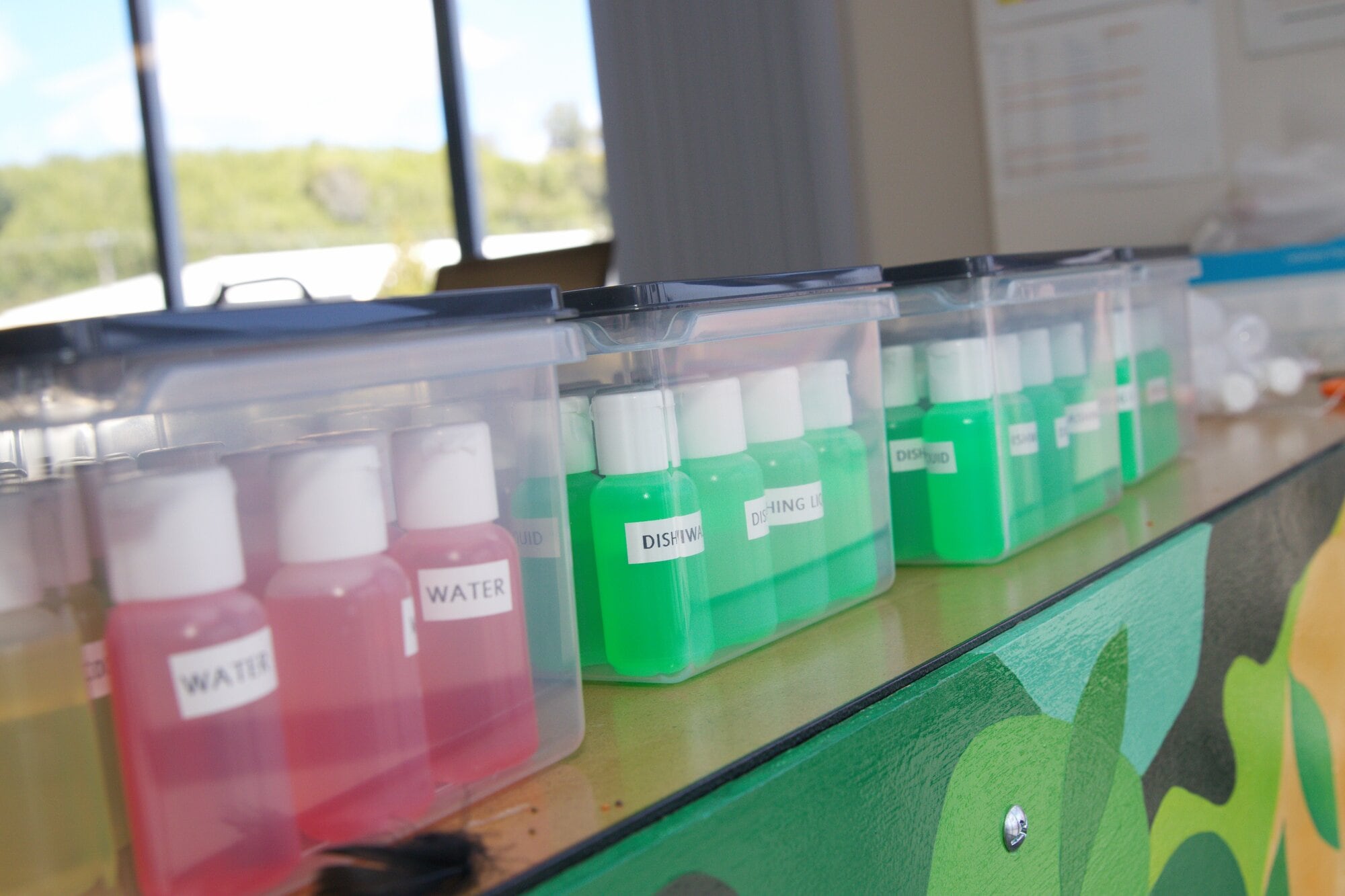
When House of Science kits are returned from schools after use by classrooms, they are replenished ready to be sent out again. Photo / Kelly O’Hara
Catchy names help spark interest, with kits including titles like Float My Boat, exploring buoyancy; Mighty Microbes, which looks at micro -organisms, and May the Force Be With You, focusing on the science of forces.
The kits incorporate stories, experiments and practical investigations designed for different age groups, meaning younger students might begin with basic observations while older students explore more complex ideas.
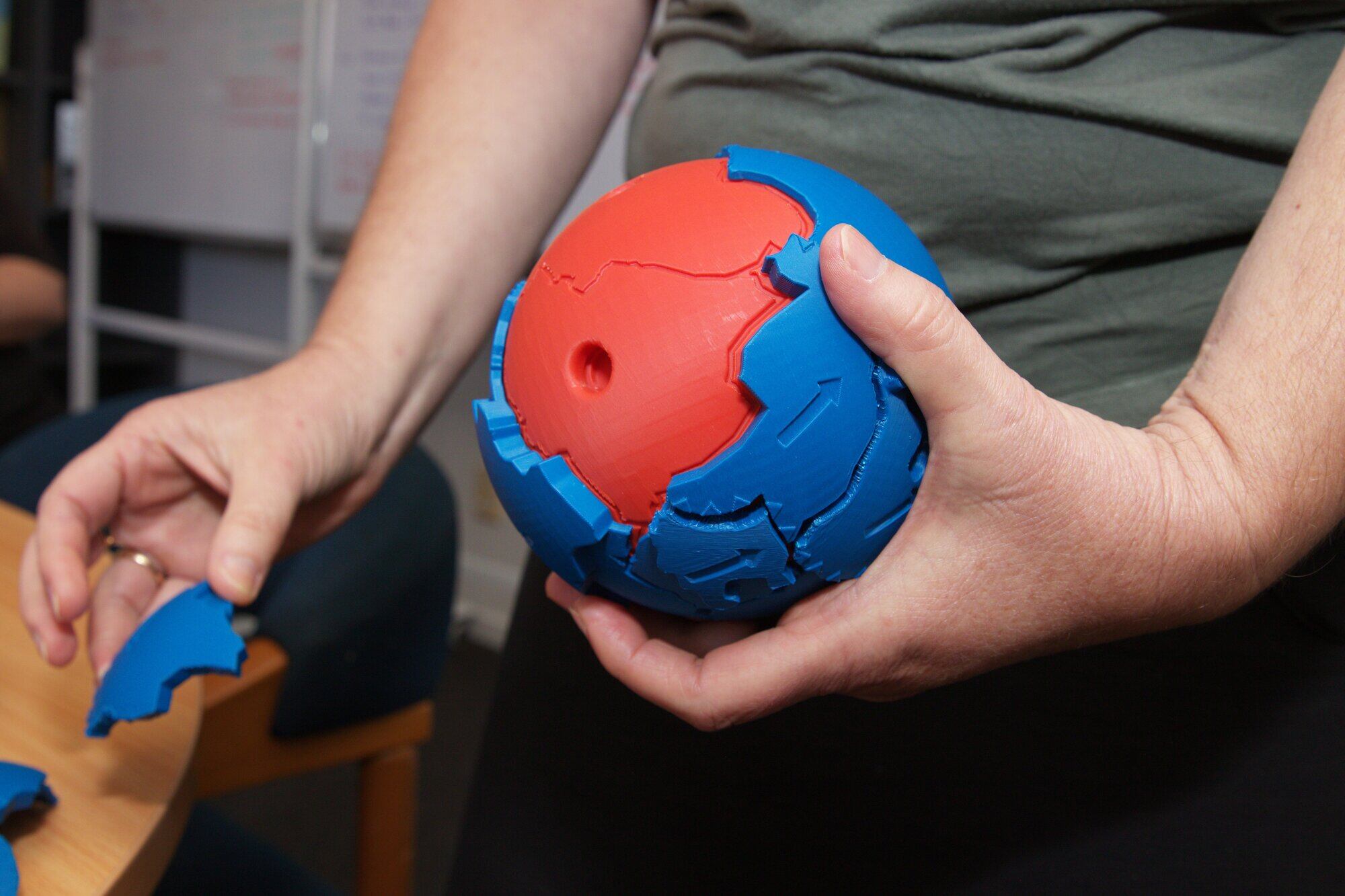
A three-dimensional puzzle of the tectonic plates of the Earth helps students understand how the planet is structured. Photo / Kelly O’Hara
Hoggard said the aim is not just to teach scientific facts, but to develop critical thinking skills.
“It’s about getting students to observe carefully, ask questions and think about evidence,” she said.
“Science isn’t just about producing scientists – it’s also about helping people become scientifically literate so they can look at information, interpret it and make informed decisions.”
Developing a new kit can take several months, Hoggard said.
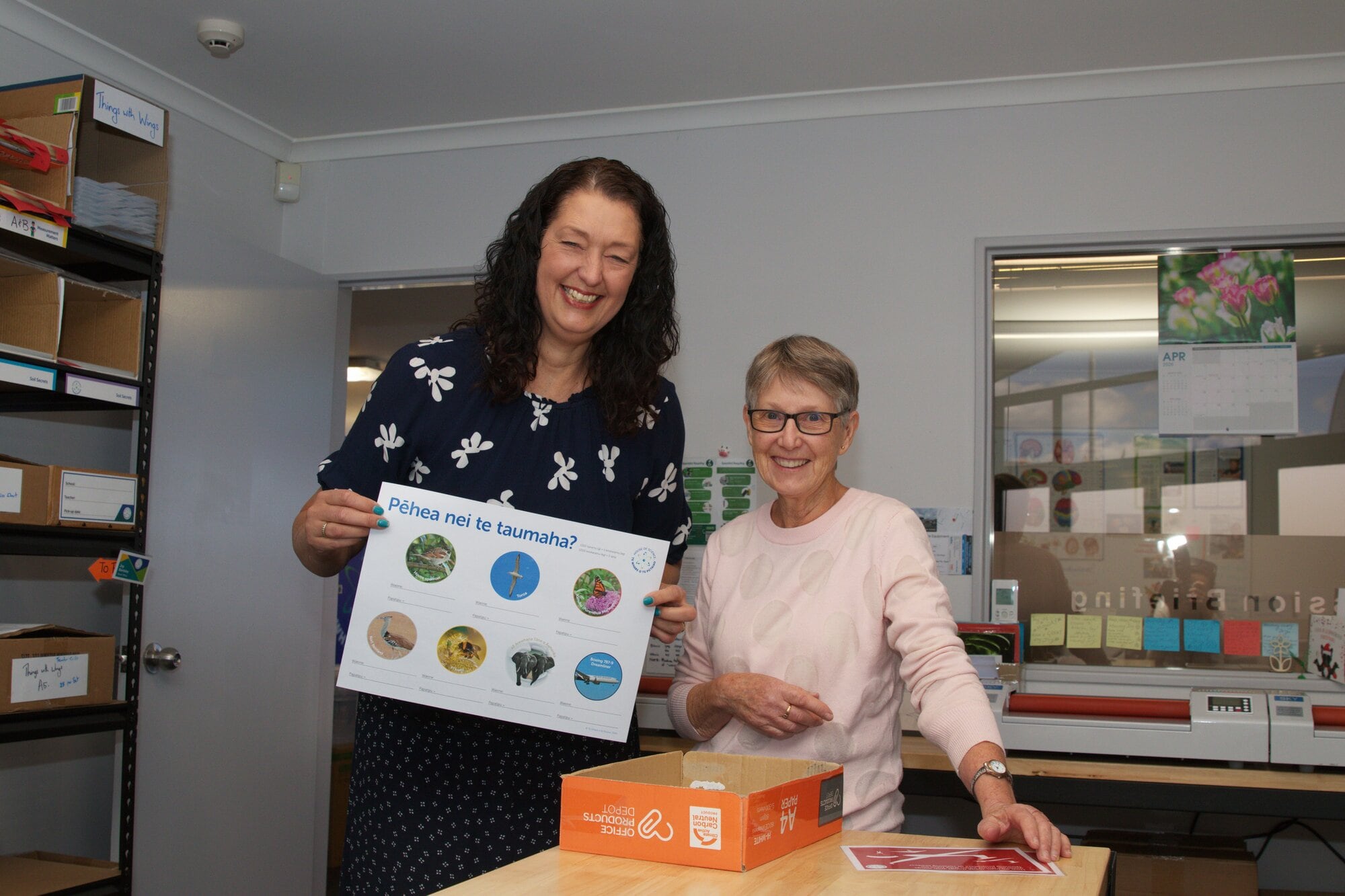
House of Science chief executive Chris Duggan and Joy Bardsley with resources that have been translated into te reo Māori. Photo / Kelly O’Hara
The process begins with research and prototyping, followed by classroom trials in “test schools” where teachers and students try the activities and provide feedback.
From there the resources are refined, translated into te reo Māori, and prepared for manufacturing.
“We want to know how it works in a real classroom,” Hoggard said.
“If something needs adjusting, we change it before it goes into full production.”
Durable, practical
The kits are also designed with durability and practicality in mind. They must be robust enough to withstand repeated use by hundreds of students while remaining simple for teachers to set up and pack away.
The resources are then assembled in Tauranga before being distributed through regional House of Science centres that manage deliveries, returns and maintenance.
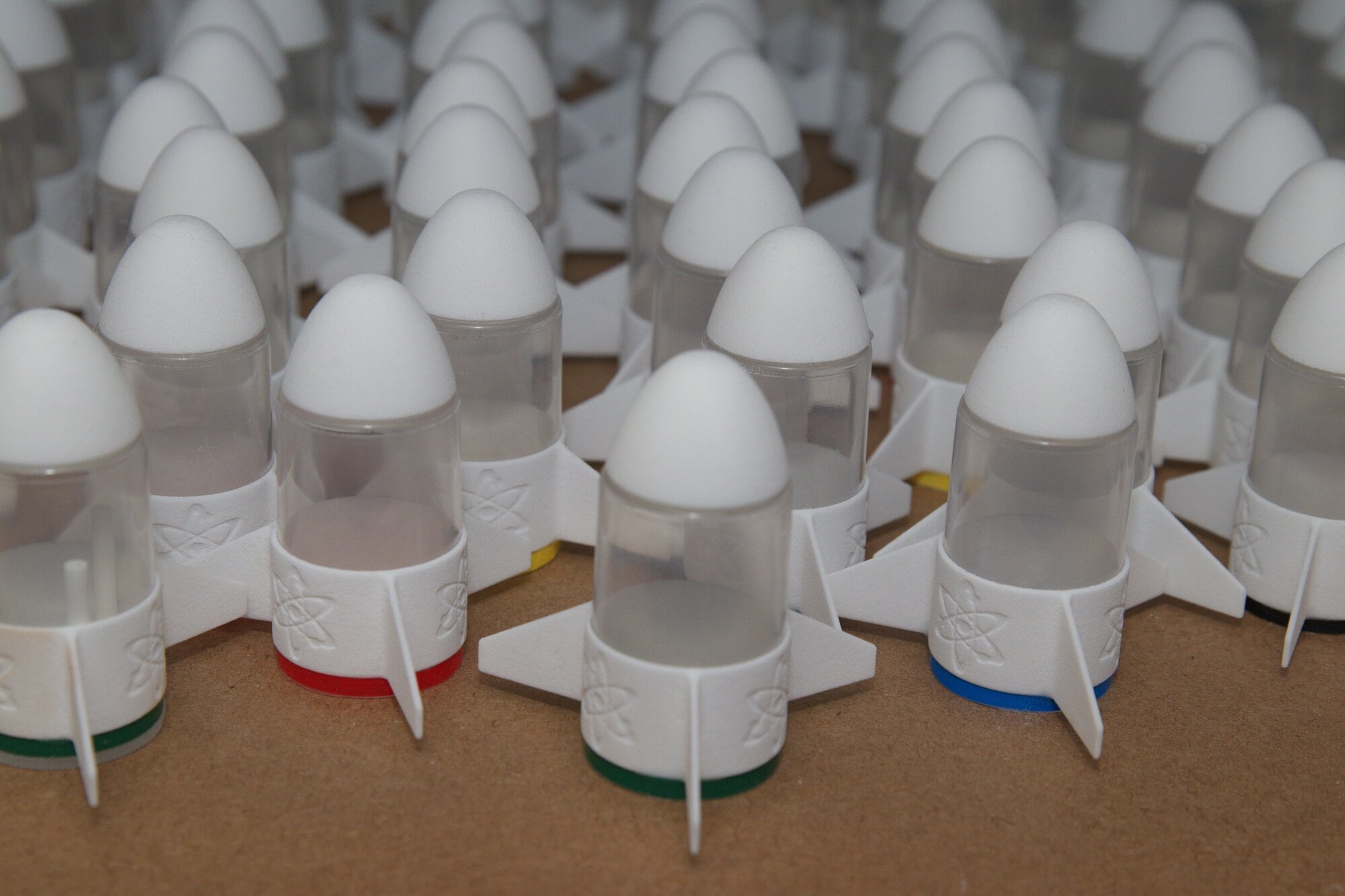
Components used in a science kit. Photo / Kelly O’Hara
With the new Government contract set to expand the programme to every state and state-integrated primary and intermediate school, the scale of production is about to increase dramatically.
About 1400 kits circulate around the country every three weeks to more than 700 schools.
Within the next two years that number was expected to grow to about 8000 with House of Science expanding to reach about 2100 schools.
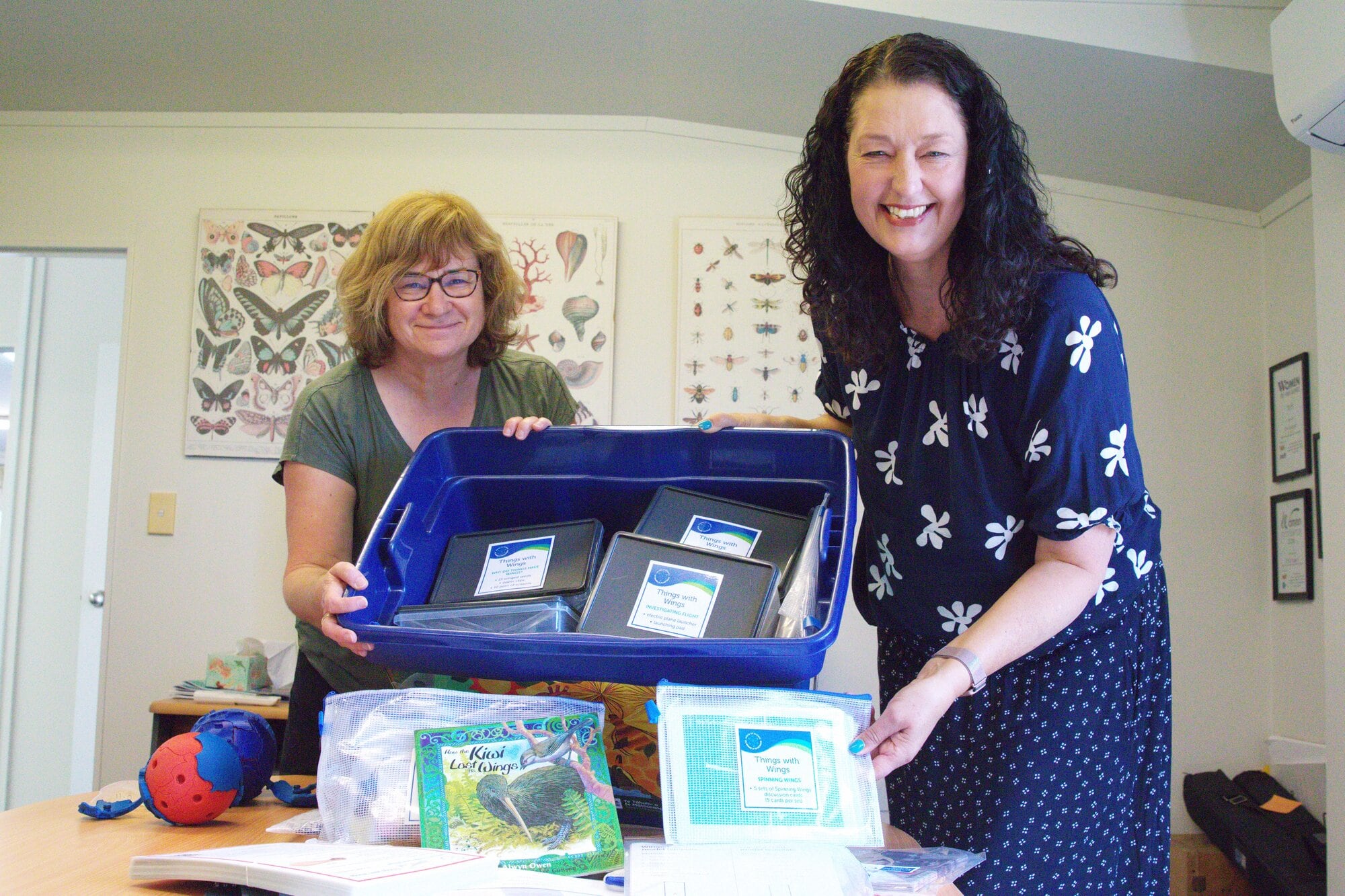
House of Science kit designer Jane Hoggard with chief executive Chris Duggan. Photo / Kelly O’Hara
Duggan said while that is a threefold increase in the number of schools, it represented a tenfold increase in the number of students involved.
“From a current reach of 50,000 students every three weeks, we need to scale up to reach 500,000,” she said.
“We will also need four times the number of staff to manufacture and deliver the kits.”
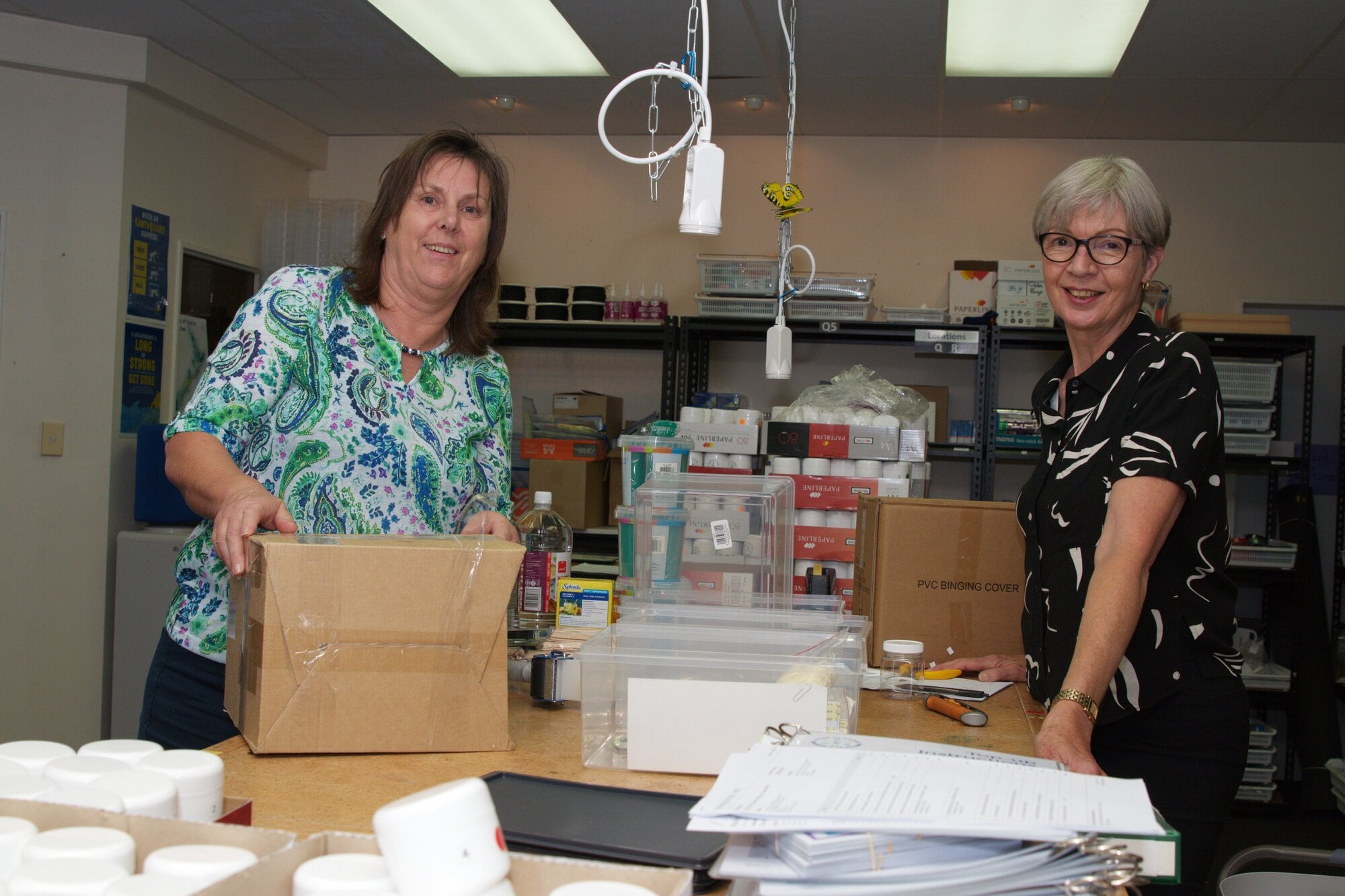
Corrinna Lapwood and Sharon Weigel assembling science kits at the House of Science. Photo / Kelly O’Hara
The growth would see the organisation move into larger premises in Judea to accommodate increased production and operations, with national coverage expected by early to mid-2027.
Despite the growth, Hoggard said the core aim remained the same as when she first joined the initiative as a volunteer more than a decade ago.
“At the heart of it, we want kids to stay curious about the world around them,” she said.
“If you can keep that curiosity alive when they’re young, it makes a huge difference to how they approach learning later on.”